Hangcha unveils LINGTRA at CeMAT ASIA 2026
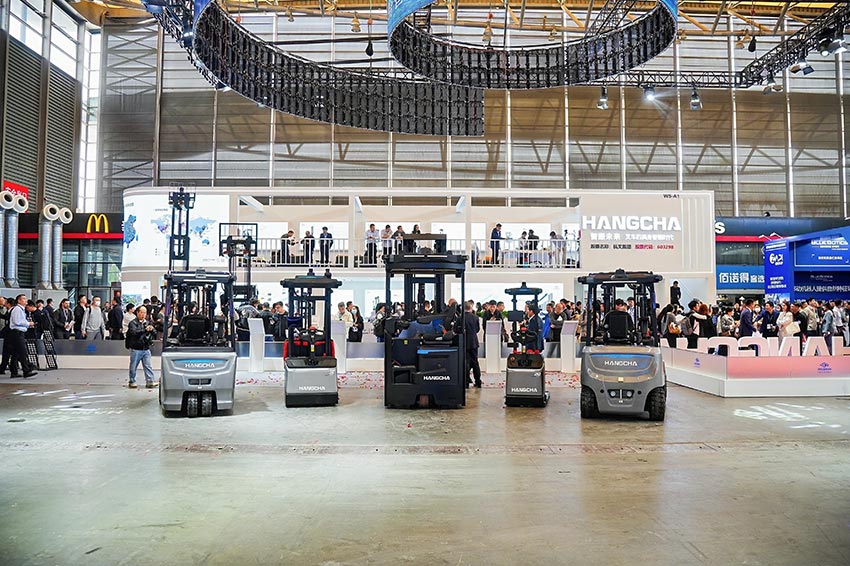
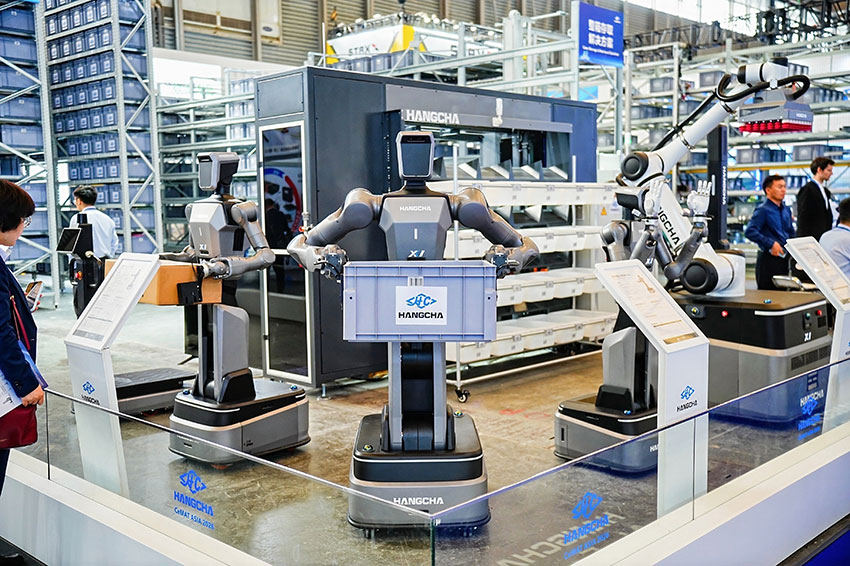
At Booth W5-A1, Hangcha presented autonomous forklifts, smart logistics solutions and new-energy vehicles. The manufacturer also introduced TransEasy for configuring and reusing workflows through a visual interface.
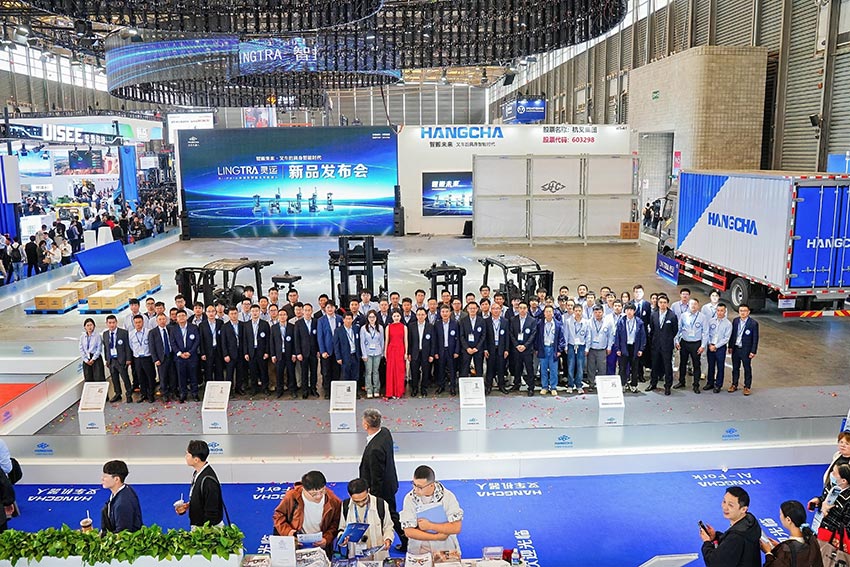
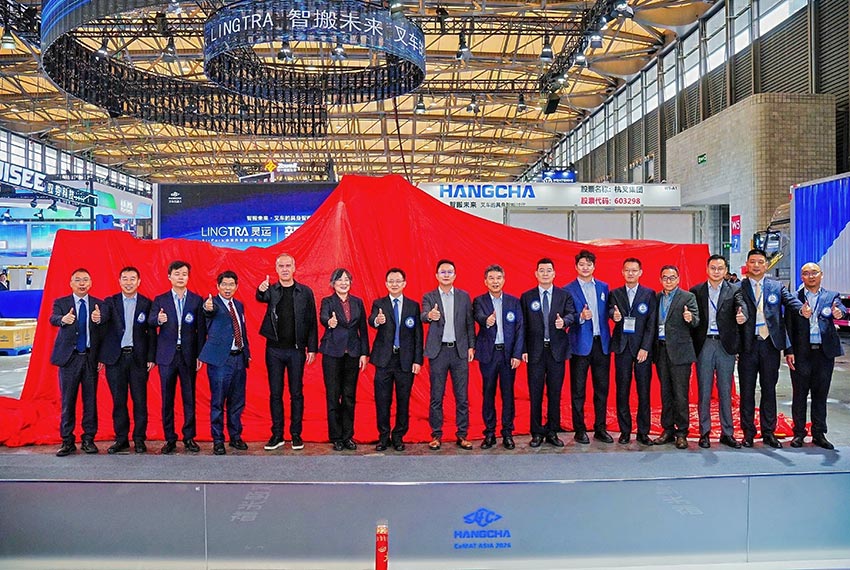
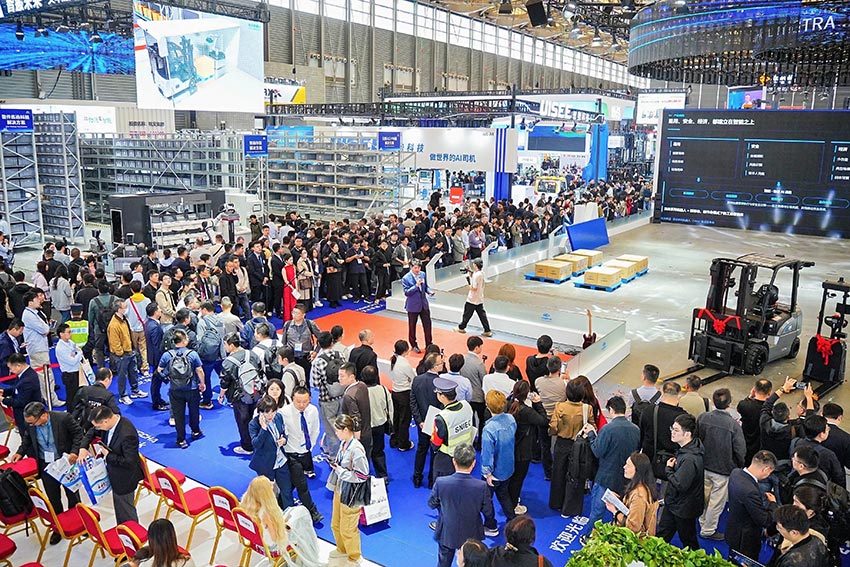
Photographs and video from the official Hangcha announcement
The five LINGTRA autonomous ranges
| Range | Announced nominal capacity | Work to assess |
|---|---|---|
| Autonomous three-wheel counterbalance | 1.6–2 t | Docks and handoff points with limited turning space. Assess truck unloading or line feeding when the route and handoff points are suitable. |
| Autonomous four-wheel counterbalance | 3–3.8 t | Heavy pallets, longer routes and loading areas. For yard travel, assess surfaces, grades, outdoor conditions and interactions with other vehicles. |
| Autonomous reach truck | 1.4–2.5 t | High-rack putaway and retrieval. Check rack aisle width, pallet placement tolerance and residual capacity at the highest level. |
| Autonomous mini pallet stacker | 1.2–1.5 t | Stacking or low-level placement and line supply in constrained spaces. Check pallet type and pickup clearances. |
| Autonomous mini pallet truck | 1.5–2 t | Frequent horizontal transfers between buffers, production lines and dispatch. Confirm floor levels at both handoff points. |
These are nominal capacity ranges announced at launch. Request a load chart for the planned lift height, load centre and attachments.
What do LogiMind and TransEasy do?
Hangcha introduced LogiMind alongside 3D LiDAR and cameras as part of its autonomous forklift platform. For each project, verify that the system can identify the pallet type and pickup and drop-off positions under actual lighting and floor conditions.
TransEasy is a visual workflow configuration tool. Before connecting a warehouse management system (WMS) or manufacturing execution system (MES), agree on who issues tasks, how completion is reported and who handles misplaced pallets or occupied destinations.
Robots in the smart logistics area
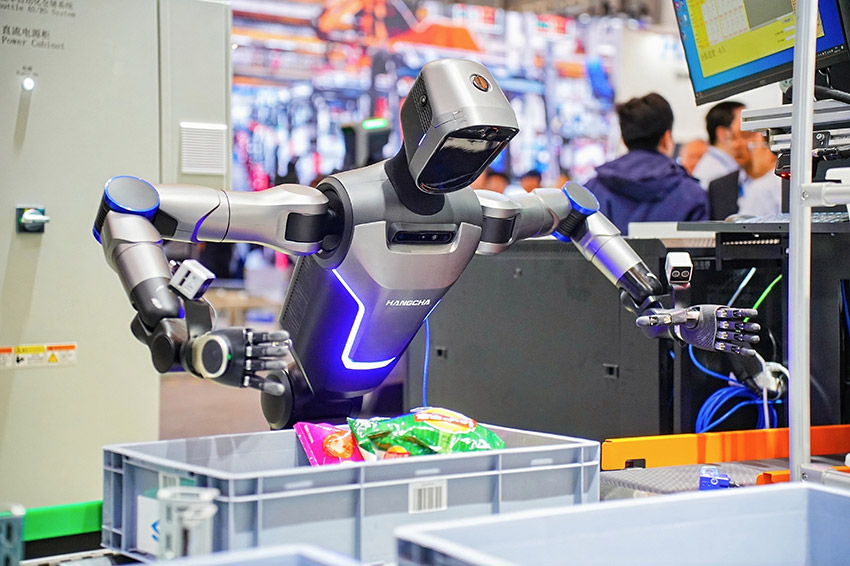
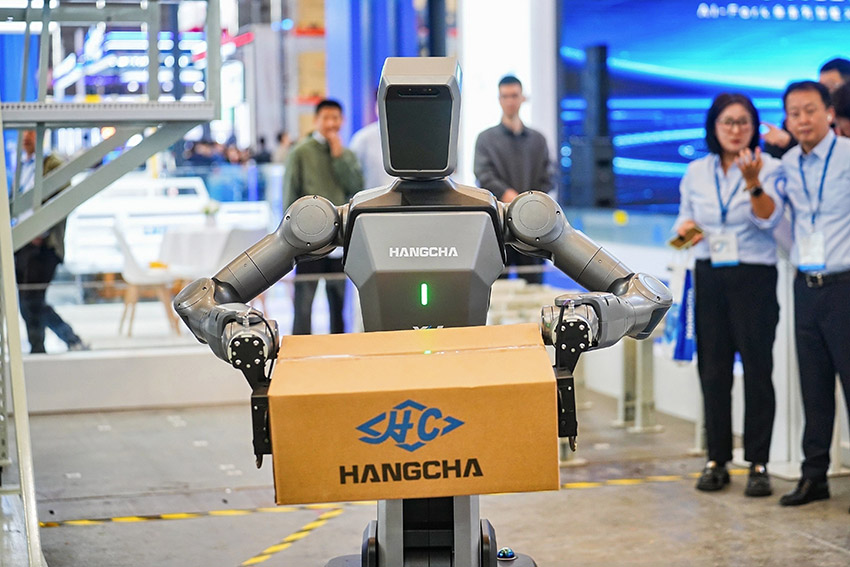
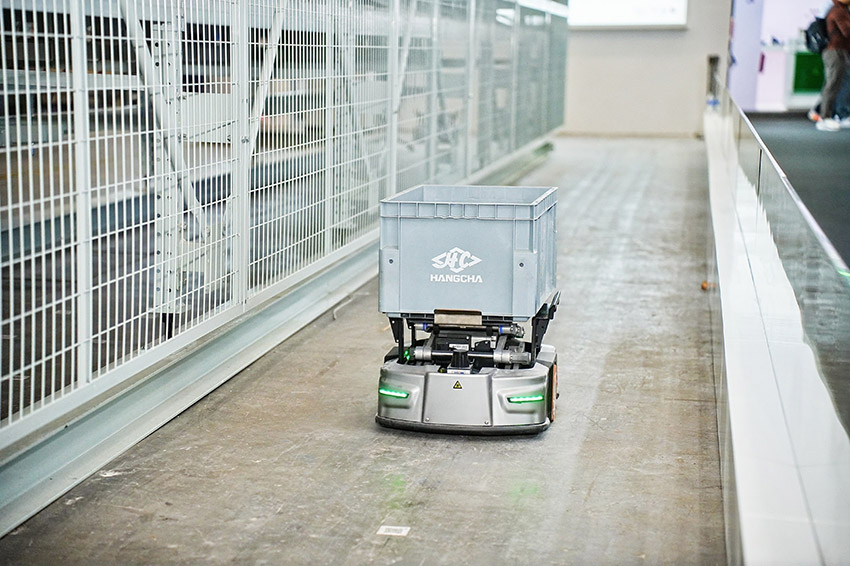
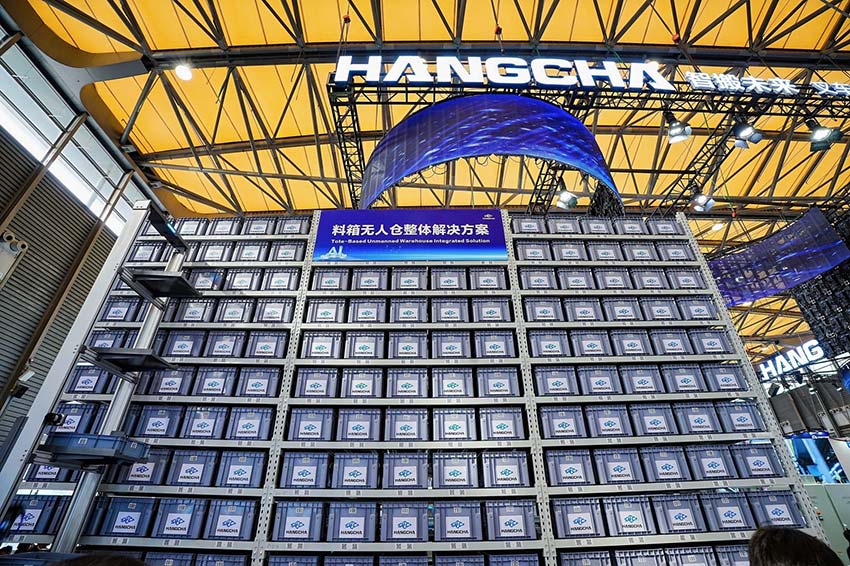
Alongside LINGTRA forklifts, the display included item-handling and transport robots, robotic arms and tote storage solutions.
Select equipment along the material flow
- Container or truck → raw materials warehouse
- Assess counterbalance equipment at receiving. Record trailer and dock floor heights, fork entry direction, turning clearance and how the team confirms the trailer is ready.
- Raw materials warehouse → production line
- Assess a mini pallet truck for level transfers between fixed handoff points. Where line feeding requires lift or stacking, assess a mini stacker and the pallet handoff height.
- Production line → finished goods warehouse → dispatch
- Assess a reach truck for the upper rack levels. Measure retrieval, staging transfers and trailer loading as distinct steps so each step can be matched with suitable equipment.
Prepare for a site survey
- Load
- Record the heaviest loaded pallet, dimensions, load centre, fork entry direction, deflection and pallet condition.
- Lift
- Measure pickup, drop-off and highest rack levels, mast clearance and any sideshift or fork positioning requirement.
- Aisles
- Map the route and measure aisles, doors, turns, slopes and crossings shared with pedestrians or manually driven trucks.
- Shifts
- Record normal and peak pallets per hour, shifts, breaks and task handoffs between systems.
- Power
- Identify the charger location, electrical supply, available charging time and network coverage along the route.
Pilot and budget for the project
Pilot one route with clearly defined handoff points. Agree how to measure pallets handed off per hour, unattended completion rate, stops and charging time per shift. Hangcha reported loading 14 pallets in 20 minutes at one demonstration. Use measurements from the trial at your facility to build the budget.
Review crossings, handoff points and responses to people, obstructions and lost connectivity with the safety team and vendor. ISO 3691-4:2023 is a reference for defining the safety assessment scope for driverless industrial trucks and their systems.
Ask for separate quotation lines for equipment and attachments, fleet software, survey and route setup, system integration, chargers and post-handover support. Compare purchase and rental options on the same route, acceptance criteria and service scope.
Frequently asked questions
Can a warehouse with manually driven forklifts adopt LINGTRA?
Assess one route at a time. Measure traffic at intersections, select controllable handoff points and agree a trial plan with operations and safety staff.
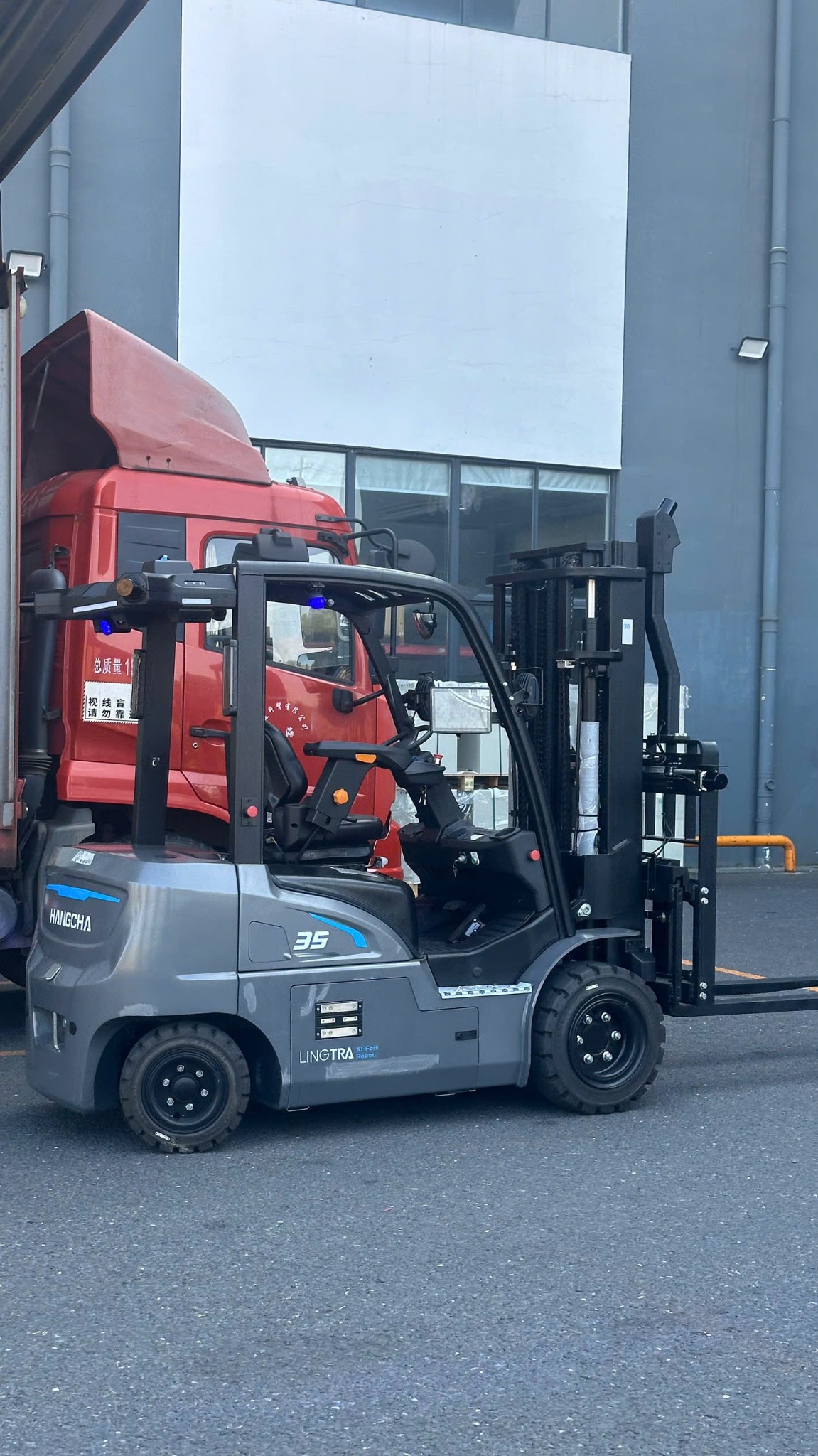
Can I select a truck based on the 35 marking in the photo?
Request the model code, datasheet and load chart for the exact configuration. Working capacity depends on the pallet weight, lift height and attachments.
What does ACE C&T need for an equipment assessment?
Share a layout or route video, pallet dimensions and weight, handoff heights, shift throughput and operating location. ACE C&T can discuss configuration, availability and integration scope using those inputs.
References
Plan an autonomous forklift site survey with ACE C&T
Send the load, lift, aisle, shift and power details for the first route you want to automate. ACE C&T will discuss equipment configuration, integration and quotation scope.
Mr. Lê Đình Lê · 0904.070.313